


about a year before Facebook renamed itself Meta, I was pitching my own smaller, less expensive version of the same fantasy.
no cartoon office. no headset. just dating rooms.
I did not call them metaverses, thank god. but that is what they were trying to be: little social worlds where people could meet before the profile had to do all the work.
some of you knew me as a person in a long relationship. that has not been true for a while, which is how I ended up with Tinder, Bumble, Hinge, Feeld, and Pure on my phone.
market research, obviously. an industry professional returning to the field. very serious work. no follow-up questions.
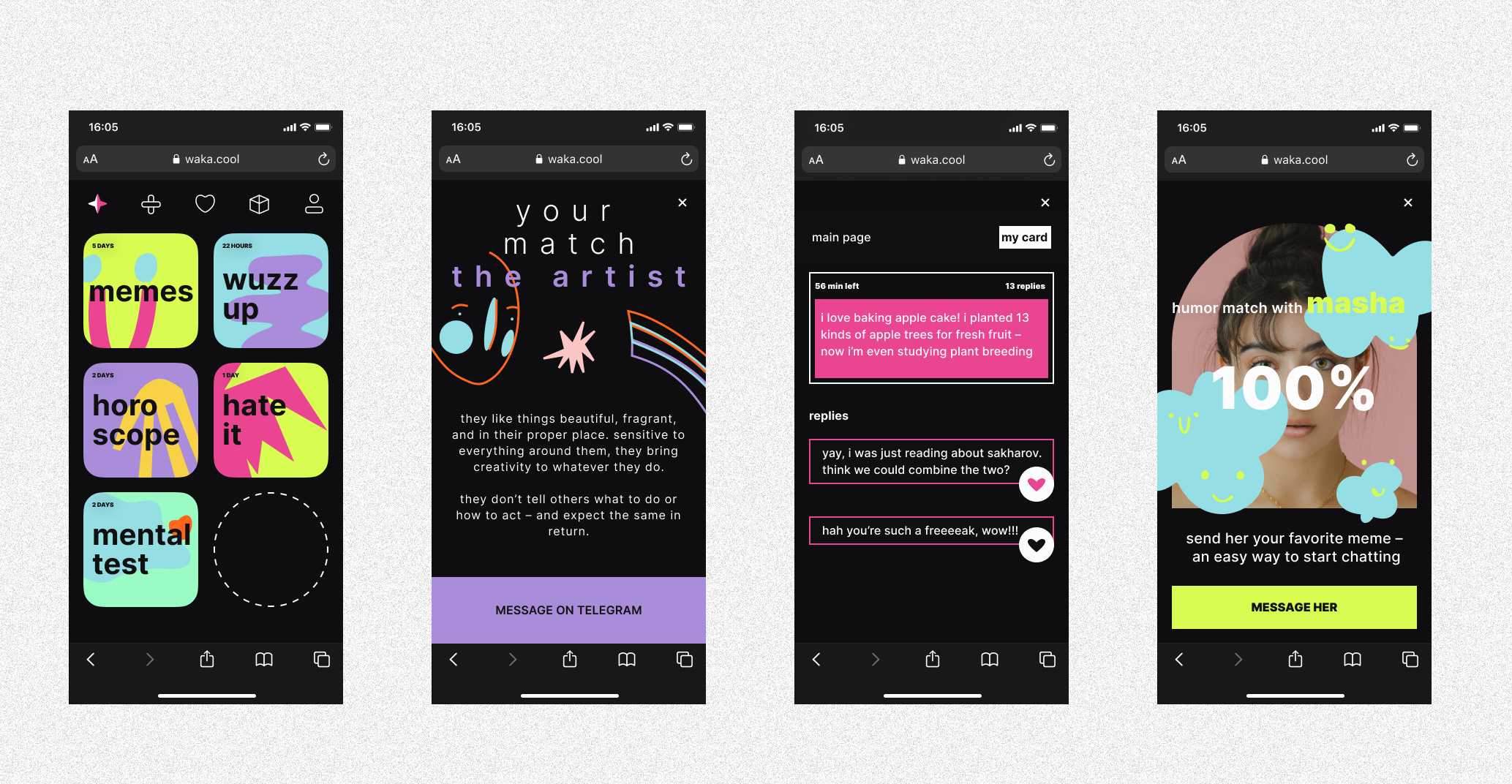
the problem is that I cannot use these apps innocently. I gave four years of my life, health, and money to building one. WAKA reached around 100,000 users. our first investor found his soulmate there, which is either product validation or the most expensive referral program I have ever run.
the thesis behind WAKA was simple: dating apps had made the profile do too much.
five photos. three prompts. one personality assembled under committee supervision. perhaps natural wine, techno, and the sea. perhaps the undefeated classic: “I love travel and music.”
amazing. a living person had been reduced to a customs form with cheekbones.
we thought desire needed more context. so we built rooms.
around 200 of them: sports, anime, music, memes, whatever gave two strangers something to stand beside before inventing a first sentence. back then, memes still deserved their own room. now they have been dissolved into Reels where someone with perfect skin points at captions explaining why your avoidant ex is actually a nervous system.
the idea was that people would meet sideways.
you would not begin with a declaration of romantic intent. you would already be standing near the same thing: a joke, a song, a creator, an opinion about an anime character that should probably disqualify both of you from public office.
shared context would make surprise easier. difference could arrive through a door you both recognized.
beautiful theory. the users kept swiping.
this is the part founders usually remove before speaking at conferences.
people spent most of their time in the swipe mechanic. the rooms did not replace cards. mostly, they helped people decide which cards deserved a thumb.
we made perhaps 10 or 15 rooms ourselves. things became more interesting when we collaborated with bloggers. a creator would build a room around a quiz, send their audience there, and split the revenue with us 50/50.
people who already consumed the same content were more likely to pay. the trust existed before they entered.
we thought we were manufacturing encounters.
mostly, we were packaging affiliation.
I wanted to believe we had discovered a better social primitive. the users wanted a better filter.
then Russia’s full-scale invasion of Ukraine scattered the team, the market, and most of the assumptions underneath the company. technical problems did the rest.
WAKA ended before we could learn everything I wanted from it. but I learned enough to stop saying that dating apps had chosen the wrong object.
they chose the object that scales.
cards can be ranked, priced, tested, and served one after another until your thumb starts behaving like a tiny procurement department.
rooms need density. they contain silence. people arrive at the wrong time. someone can become attractive after seven minutes, which is terrible for a system trying to make a decision in under two seconds.
a room is difficult inventory.
the card won because the card behaves.
and to be fair, a profile has a useful job. it does not need to contain a whole person or generate desire on command. it only needs to make the first move feel less like walking into the wrong apartment.
the profile opens the channel.
the match confirms that someone is listening on the other side.
every app produces a slightly different version of the person using it. Tinder feels like Facebook — everyone is there, which somehow makes it harder to find anyone alive. half of Hinge seems to be passing through Portugal with a tote bag and no return ticket. Bumble is slowly walking toward Tinder with a drink in its hand. Feeld permits sentences that would make Hinge put on a cardigan and call a meeting. Pure has the energy of a browser tab you intend to close before anyone walks behind you.
Instagram arrives with witnesses: friends, holidays, restaurants, old apartments, evidence that you existed before the conversation and will probably continue existing after it.
the person is still performing, but at least the stage has some furniture.
people are not necessarily fake across these platforms. each interface tells them which risks are available.
dating always finds the shame layer first: the gap between wanting someone and being willing to be caught wanting them.
wanting is private. the first move makes it public.
the match gives desire an alibi.
both people entered the same system and generated a mutual signal. the first message may still be terrible, but at least it is expected. the interface stamped the little permission slip.
physical rooms used to do this badly, unevenly, sometimes beautifully.
a party gave you a host. a dinner gave you mutual friends. the smoking corner outside a club gave you five minutes beside a stranger with no obligation to explain why you were standing there.
the cigarette did the paperwork.

rooms do not guarantee anything. most are boring. some are hostile. the same bar can feel playful to one person and very “people still drink alcohol in 2026?” to another.
I am not proposing a return to the golden age of men materializing beside women at the bar like pop-up ads wearing cologne.
offline life had coercion, class, geography, reputation, and people mistaking proximity for an invitation. the boundaries created by dating apps matter because safety matters.
still, something changes when expressing desire begins to feel legitimate only after a digital system has approved the route.
a glance has no match screen. a conversation does not arrive with verified intentions. ambiguity has always been part of social life, but we are becoming less willing to touch it without an interface nearby.
approaching without a match starts to feel like arriving without a reservation.
and I say this as someone who has taken the reservation system much further.
I replaced butterflies with changelogs
before I send a first message, I sometimes drop screenshots of the profile into my AI agent and ask for an opening.
the system runs locally, which solves one privacy problem and none of the stranger ones.
my agent knows too much about me: how I slept, what I am writing, what I am avoiding, roughly how much runway remains before I need to become financially respectable again.
I outsourced the awkwardness of saying hello.
after a date, I usually dictate notes.
what I liked. what felt strange. what I want to remember. whether I want to see the person again. whether I am genuinely interested or reacting to attention, chemistry, loneliness, good music, or the dangerous optimism produced by two glasses of wine.
I am trying to separate what I felt from what I wanted to feel, and both from what I should do next.
I outsourced remembering.
this is not a fuck-count CRM.
I am not tracking conversion from dinner to sex. HubSpot has not entered this part of my life, praise be.
then the joke became less accurate.
the notes became a small private control room. or, worse, an attention console.
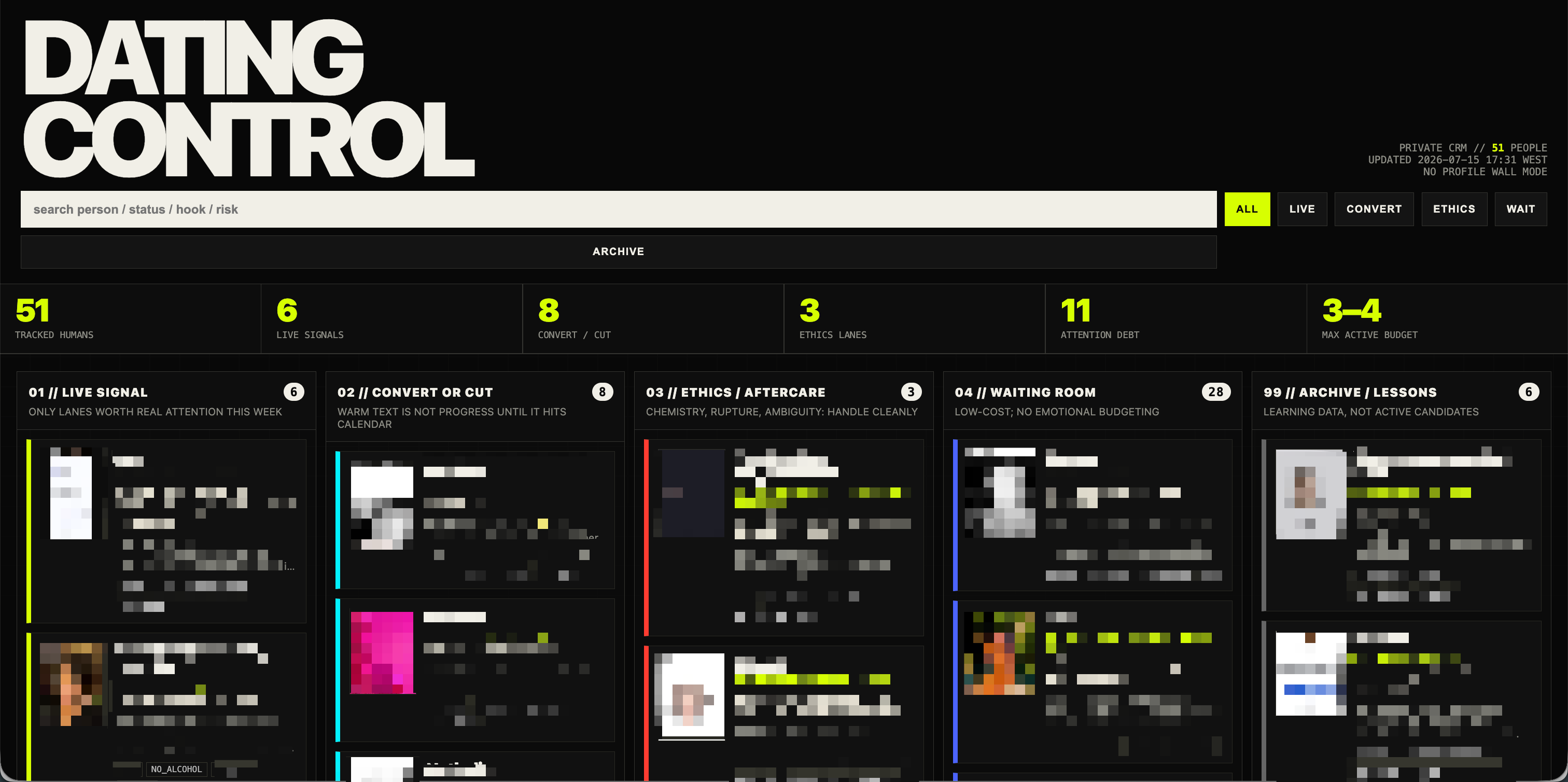
those are the actual column names.
I kind of replaced butterflies with changelogs.
my emotional life now ships with version history.
I did not build this because I wanted to optimize people. I had been away from dating for a long time. suddenly I was back, trying to understand what I felt and what to do with it.
some people write in a notebook.
I am cursed, so I made a system.
this is how the embarrassing systems enter your life.
first they protect you from your worst patterns
then they become the room where the next feeling has to check in.
the profile arrives with an interpreter. the date leaves behind a file. AI is there before I speak to the person and after the person goes home.
somewhere in the middle, attraction becomes a small operational process.
I have already written about opening an AI chat to analyze someone I loved while that person was physically in the same room. I did not sit with the uncertainty. I described it to a system and asked for a plan.
dating stretched the same habit across the entire encounter.
I outsourced sitting with uncertainty.
at what point does recording what I felt become asking a system what I felt?
while I was finishing this essay, a friend texted me:
yo, Ray! do you happen to have a good skill/context setup for dating chats that you could share? like with Qoves – I really liked your approach :)
he did not ask for advice
he asked for the machinery
suddenly this was not only my weird habit.
right now, the process still requires visible actions. I take out the phone. I make screenshots. I upload them. I open the chat. I dictate notes afterward. I move the little private ghosts between columns.
the friction leaves evidence that I am doing something.
glasses remove the evidence.
then the chat got eyes
the bridge from my dashboard to glasses did not arrive through a keynote.
it arrived through awful little videos.
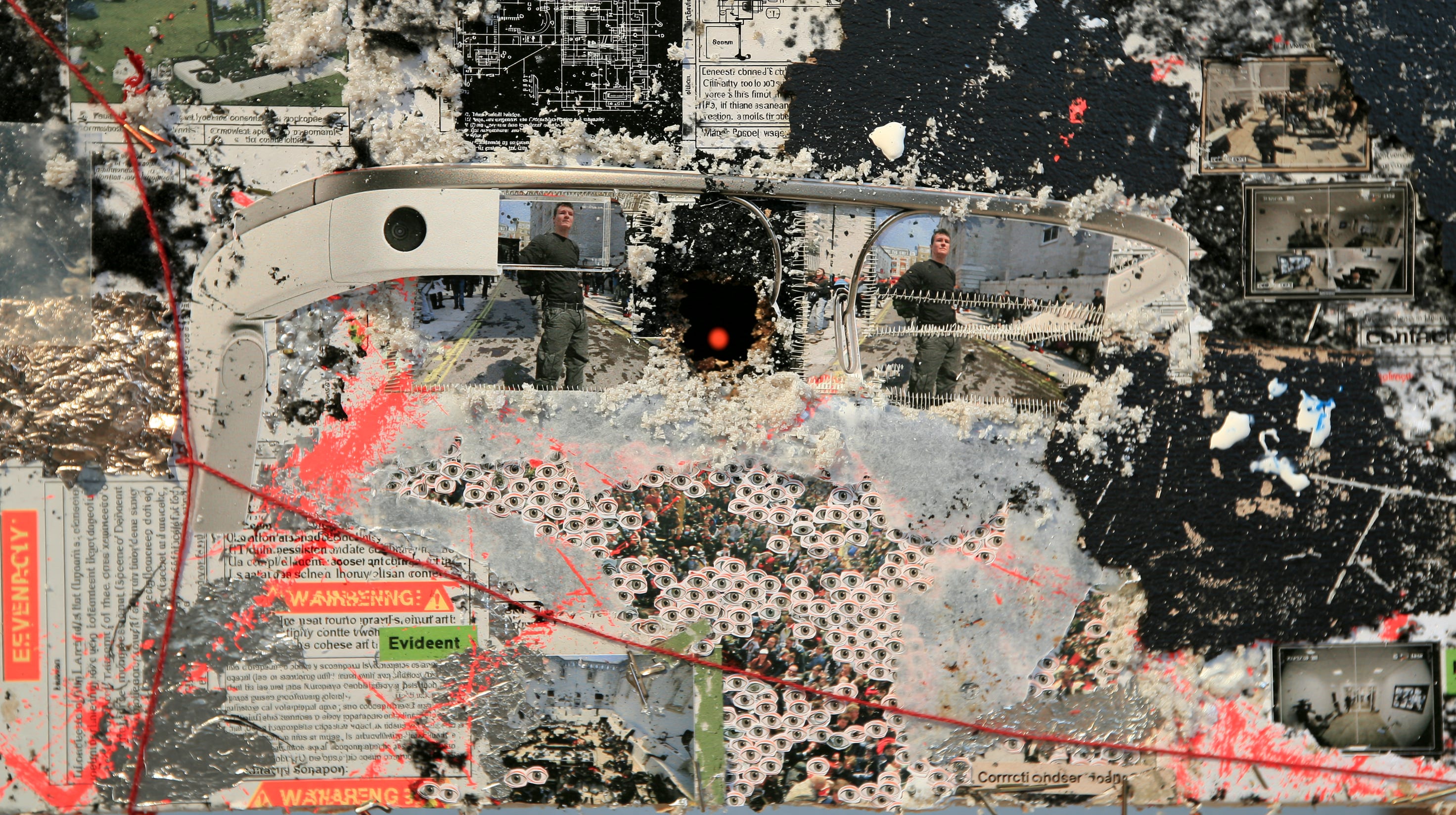
I started seeing men use smart glasses to film themselves approaching women in the street. the genre is called “rizz camming,” because apparently civilization had not suffered enough.
then Joanna Stern found people in at least 30 US states offering to remove the glasses’ recording light for $50–100. the modders drilled it out; the camera kept working.
Meta has since said it is updating the glasses to disable the camera when physical tampering is detected.
so the social protocol currently consists of a drill, a software patch, and someone in the street who was never asked.
historically interesting. God. horrifying
at this point the room stops being somewhere you enter and becomes something another person wears.
the old internet was full of rooms: forums, IRC, ICQ, MUDs, MMOs, Second Life, phpBB pages where the signatures often had more personality than the posts.
but you had to enter.
you dialed in, opened the client, joined the server. the room had an entrance.
the phone weakened it. group chats, feeds, DMs, dating apps, and push notifications followed the body around. the room became portable years ago.
glasses make it harder to separate the room from the person wearing it.
the headset era asked the body to leave ordinary life visibly. put on a plastic visor, become an avatar, enter the special place.
glasses stay where you are.
keep looking at the person.
let the system look too.
more than seven million AI glasses were sold in 2025. in June 2026, Meta and EssilorLuxottica (Ray-Ban Meta / Oakley Meta) announced 26 new styles starting at $299. the display model already puts AI answers, messages, captions, translation, navigation, and a camera preview inside the lens.
the numbers matter because this is no longer a demo. people are going to wear these around other people.
a phone announces the grab. the hand moves. the eyes drop. everyone sees that one person has briefly left the conversation to consult another world.
glasses blur the signal.
a person can remain visually present while receiving information from elsewhere. they can translate what you said, retrieve a name, preview a message, ask about the wine, record part of the evening, or get help producing the next sentence.
my dashboard waits for me to come home.
glasses collapse the timeline.
the interpretation no longer has to wait.
the interaction no longer belongs only to the people physically present.
AI becomes the third person at the table.
it may be silent. it may be useful. it may be invited by only one of you.
you matched with me, not my operating system
recording is the obvious scandal.
are the glasses filming? where does the data go? did the person across the table consent?
the quieter problem is guidance.
suppose nothing is saved. the system can still tilt the encounter while it happens. it can remind one person of a detail, translate a phrase, surface a name, draft the next sentence, or decide which part of the evening deserves attention.
it can respond fast enough to shape what happens next.
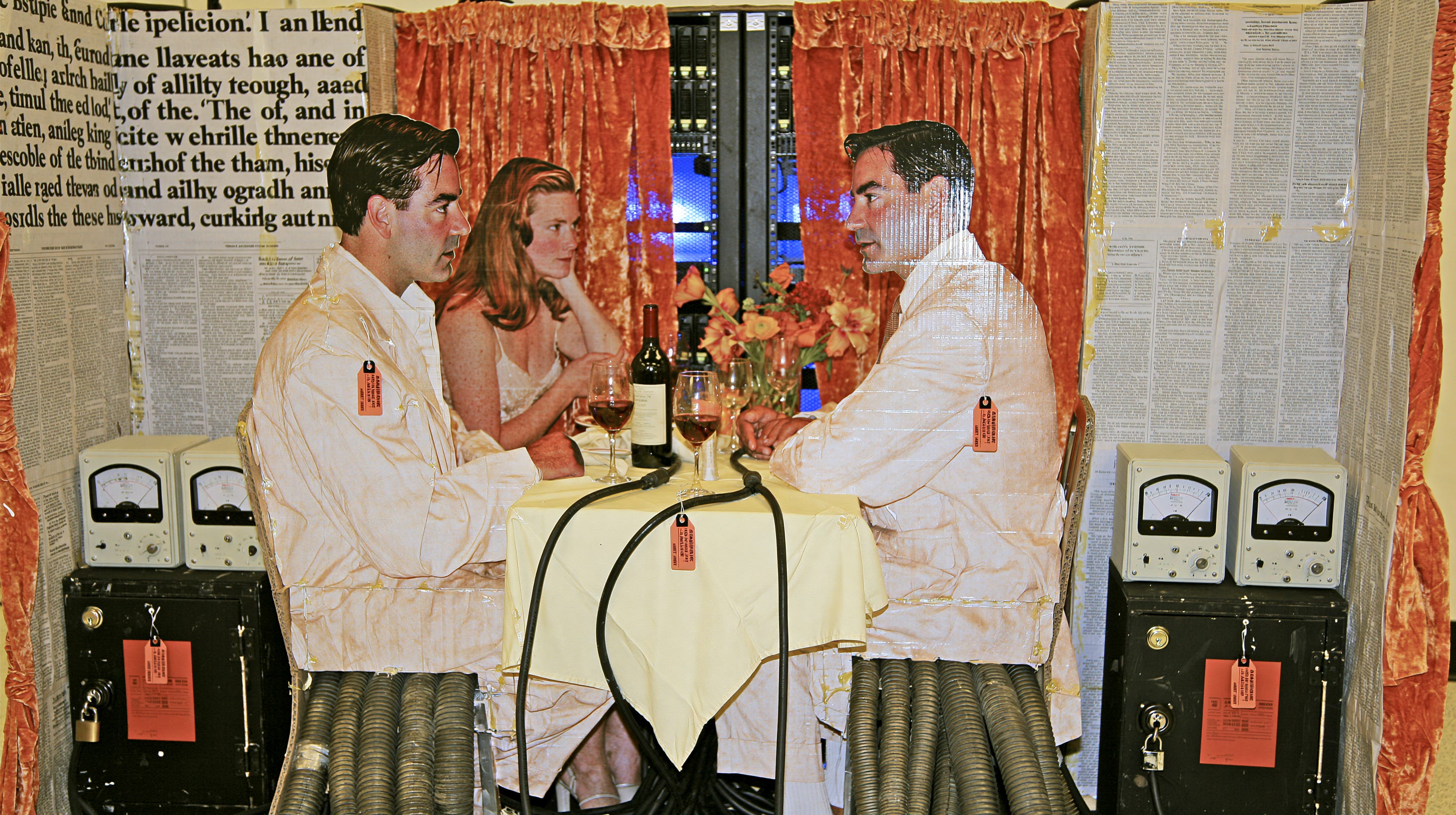
useless tools are easy to reject. useful ones are where the trouble starts.
I did the full Ivan Illich sermon elsewhere, so here is the part that matters: a tool becomes dangerous when life reorganizes around the assumption that a reasonable person will use it.
dating apps gave desire context and boundaries.
then approaching without a digital signal started to feel like arriving without a reservation.
I outsource the memory of a date.
then the date I did not document looks like a blank in the ledger.
glasses capture a moment without interrupting it.
then forgetting begins to look less like being human and more like poor maintenance.
this is not a story about technology replacing some pure form of intimacy. pure human intimacy has never existed. friends advise us, parents and culture script us, alcohol edits us. previous relationships sit invisibly behind the chair and occasionally knock over a glass.
there have always been other voices in the room.
the new one can see what I see, hear what I hear, remember more than I do, and answer quickly enough to change the next sentence.
and unlike the older voices, it has infrastructure, terms of service, and an owner.
when two people agree to meet, they are agreeing to a limited social situation. perhaps a drink. perhaps dinner. perhaps the ancient Lisbon ritual of saying “one quick glass” and waking up while explaining where the moka pot lives to someone whose first name you still need to check.
they have not necessarily agreed to meet each other’s operating systems.
matching with someone does not automatically mean consenting to their recording tools, AI interpretation, outsourced memory, or the absent audience that may eventually receive a version of the evening.
the app used to arrange the meeting from outside.
now the system can stay after both people arrive.
there is a version of this argument where everyone throws their devices into the Atlantic and meets a soulmate while squeezing tomatoes at a farmers’ market. six months later, you discover they were confidently wrong about the tomato and everything else.
I do not believe in the pure offline fantasy.
offline spaces have their own access controls: beauty, class, accent, geography, confidence, disability, race, who can linger, who is considered charming, and who is considered a problem.
digital rooms opened real doors.
sometimes lifesaving ones.
sometimes they simply made it easier to be horny, which is also a legitimate public service.
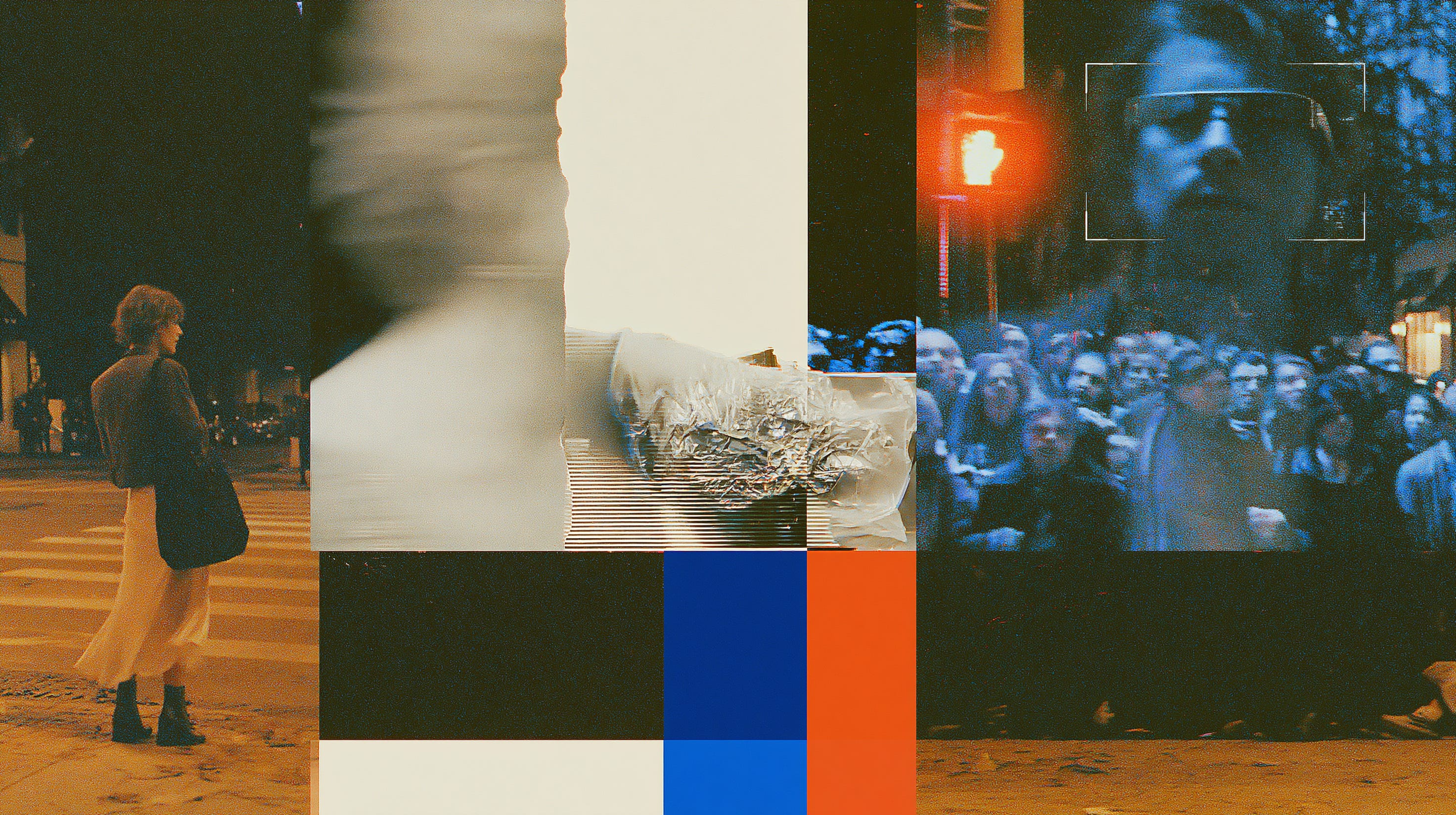
I still believe context can help. a profile can make the first step safer. a room can give two strangers something to stand beside. a shared joke can do more work than a perfect list of traits.
context can also become administration.
the system that helps you enter begins deciding what counts as an entrance. the tool that remembers begins deciding what deserves to survive. the assistant that improves the first sentence stays nearby for the second, the fifth, the apology, the breakup.
I do not want fewer rooms.
I want to know who else is inside them.
I want a few left where the first sentence belongs to the room.
and the second still belongs to us.
Ray Svitla
stay evolving 🐌